Forty-two percent of our buyer clients in 2025 came from outside Michigan. The largest concentrations were from the Bay Area, Brooklyn, and Chicago, with smaller numbers from Boston, Seattle, and Austin. They’re moving here for varied reasons — design opportunity, lower cost of living, family proximity, remote work flexibility, sometimes all four — but they tend to arrive with similar expectations and run into similar surprises.
These are the patterns we see most often, and what we’ve learned from helping clients navigate them.
The first surprise is usually scale. A buyer who has been looking at 1,400-square-foot Brooklyn brownstones suddenly finds themselves considering 4,000-square-foot homes on half-acre lots in Birmingham. The math works — the budget that bought a small two-bedroom on the East Coast comfortably buys an architectural home with grounds in metro Detroit — but the mental adjustment is real. Some clients arrive ready to embrace the scale immediately. Others spend months adjusting their expectations downward, looking at smaller homes that don’t actually fit their needs because the scale of what they can afford feels uncomfortable.
The practical advice: trust the math. The cost-of-living differential is real, and the homes that fit your budget here are not aspirational stretches. They’re available right now. The buyers who adjust their thinking earliest tend to make the best decisions.
The second surprise is neighborhood literacy. In coastal markets, a buyer might be choosing between three or four neighborhoods, each with a strong distinct identity. In metro Detroit, the number of meaningfully different neighborhoods is much larger, and the differences between them are less marketed and less obvious from the outside. Birmingham, Bloomfield Hills, Royal Oak, Ferndale, and Huntington Woods are all within ten miles of each other and serve different lifestyles, school districts, walkability profiles, and architectural inventories. None of these distinctions are visible from a search on Zillow.
The practical advice: spend time on the ground before deciding. We routinely host buyers for two- or three-day visits where we drive them through eight to ten neighborhoods, point out the practical and cultural differences, and let them feel the streets. This is time well spent. Buyers who commit to a neighborhood without this calibration almost always end up wishing they’d chosen differently.
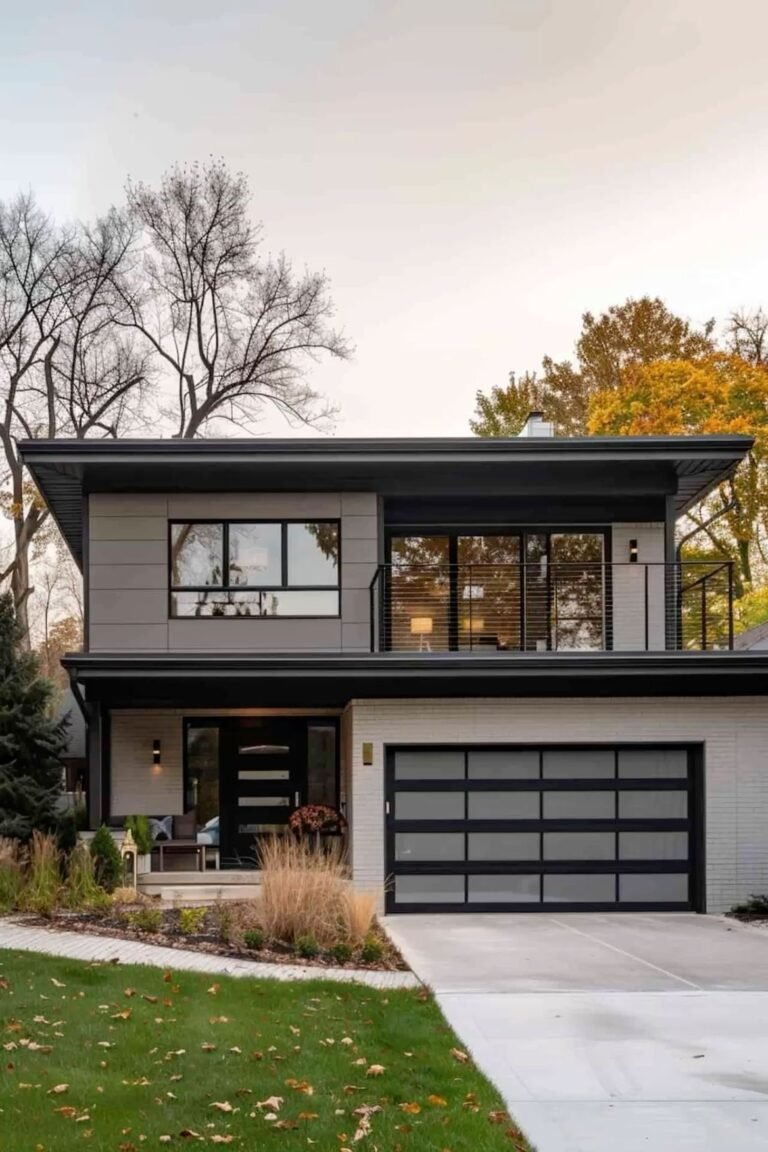
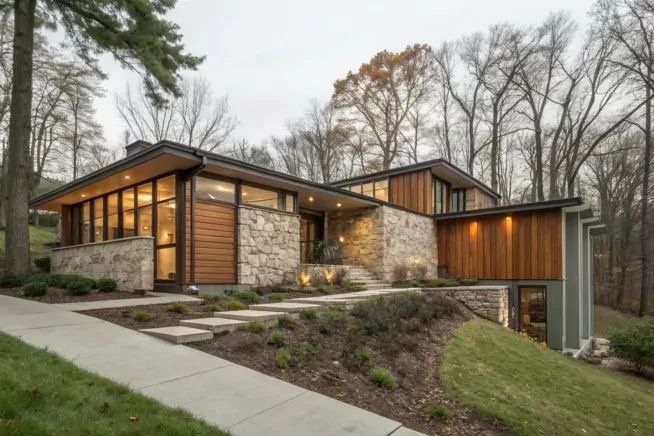
The third surprise is the architecture itself. Out-of-market buyers often come to Detroit specifically because they’ve seen architectural homes online — a mid-century modern on Instagram, a prairie-style profile in a magazine. The homes that come to market are real and available. But the architectural inventory is unevenly distributed. Mid-century is concentrated in specific pockets. Prairie-style is rarer than buyers expect and concentrated in two or three neighborhoods. Historic Tudors and Georgians are widely available in the city but rare in the suburbs.
The practical advice: be specific about what you want, and then be open to where it actually exists. If you’re committed to mid-century modern, your search will concentrate in Birmingham, Bloomfield Hills, parts of Royal Oak, and Lafayette Park. If you want a Detroit historic home, you’re looking in Indian Village, Palmer Woods, Boston-Edison, or Sherwood Forest. Once the architectural style is locked, the geographic options become clearer.
The fourth surprise is timeline. Coastal buyers often expect Detroit’s market to move slowly. Some of it does. The architectural segment doesn’t. Good homes in our coverage area move in days, not months. Buyers who plan for a six-month relaxed search and then encounter the right property are often unprepared to move quickly when it matters.
The practical advice: be ready to move when you find the right home, even if it’s earlier than you planned. The infrastructure of moving — financing pre-approval, contingency clearance, inspection scheduling, attorney engagement — should be in place before you start actively looking, not after. The buyers who close on the homes they want are the ones who can move within days of recognizing the right property.
The good news is that all of these surprises are navigable with the right preparation. We’ve helped enough clients through the process to know the patterns. The work begins with a conversation about what you’re looking for and what your timeline actually allows.